The SELECT Trial: Redefining Cardiovascular Prevention
The Semaglutide Effects on Cardiovascular Outcomes in People with Overweight or Obesity (SELECT) trial represents a watershed moment in cardiovascular medicine. Published in the New England Journal of Medicine in November 2023 by Lincoff et al., this massive trial demonstrated that semaglutide 2.4 mg significantly reduced the risk of major adverse cardiovascular events (MACE) in patients with overweight or obesity and established cardiovascular disease — without requiring a diagnosis of diabetes [1].
Study Design and Scale
SELECT was a randomized, double-blind, placebo-controlled, event-driven trial of unprecedented scale for an anti-obesity medication:
- Enrollment: 17,604 patients across 804 sites in 41 countries
- Population: Adults aged ≥45 years with BMI ≥27, established cardiovascular disease (prior MI, stroke, or peripheral arterial disease), and no history of diabetes
- Intervention: Semaglutide 2.4 mg or placebo, once-weekly subcutaneous injection
- Follow-up: Median 39.8 months (approximately 3.3 years)
- Primary endpoint: Time to first occurrence of MACE (composite of cardiovascular death, nonfatal myocardial infarction, or nonfatal stroke)
The trial was event-driven, requiring a minimum of 1,225 confirmed primary endpoint events before analysis [1].
Primary Cardiovascular Results
The primary endpoint results were statistically significant and clinically meaningful:
MACE (Primary Endpoint):
- Semaglutide: 6.5% (569 of 8,803 patients)
- Placebo: 8.0% (701 of 8,801 patients)
- Hazard ratio: 0.80 (95% CI, 0.72 to 0.90; P<0.001)
- 20% relative risk reduction in major cardiovascular events
Individual MACE Components:
- Cardiovascular death: HR 0.85 (95% CI, 0.71-1.01) — 15% reduction, trending toward significance
- Nonfatal myocardial infarction: HR 0.72 (95% CI, 0.61-0.85) — 28% reduction
- Nonfatal stroke: HR 0.93 (95% CI, 0.74-1.15) — 7% reduction, not statistically significant individually
The benefit was driven primarily by a striking 28% reduction in nonfatal heart attacks [1].
Secondary and Exploratory Outcomes
Beyond the primary MACE endpoint, SELECT demonstrated broad cardiovascular and metabolic benefits:
- Heart failure events: Significantly reduced (HR 0.82)
- All-cause mortality: HR 0.81 (19% reduction, nominally significant)
- Coronary revascularization: Significantly reduced
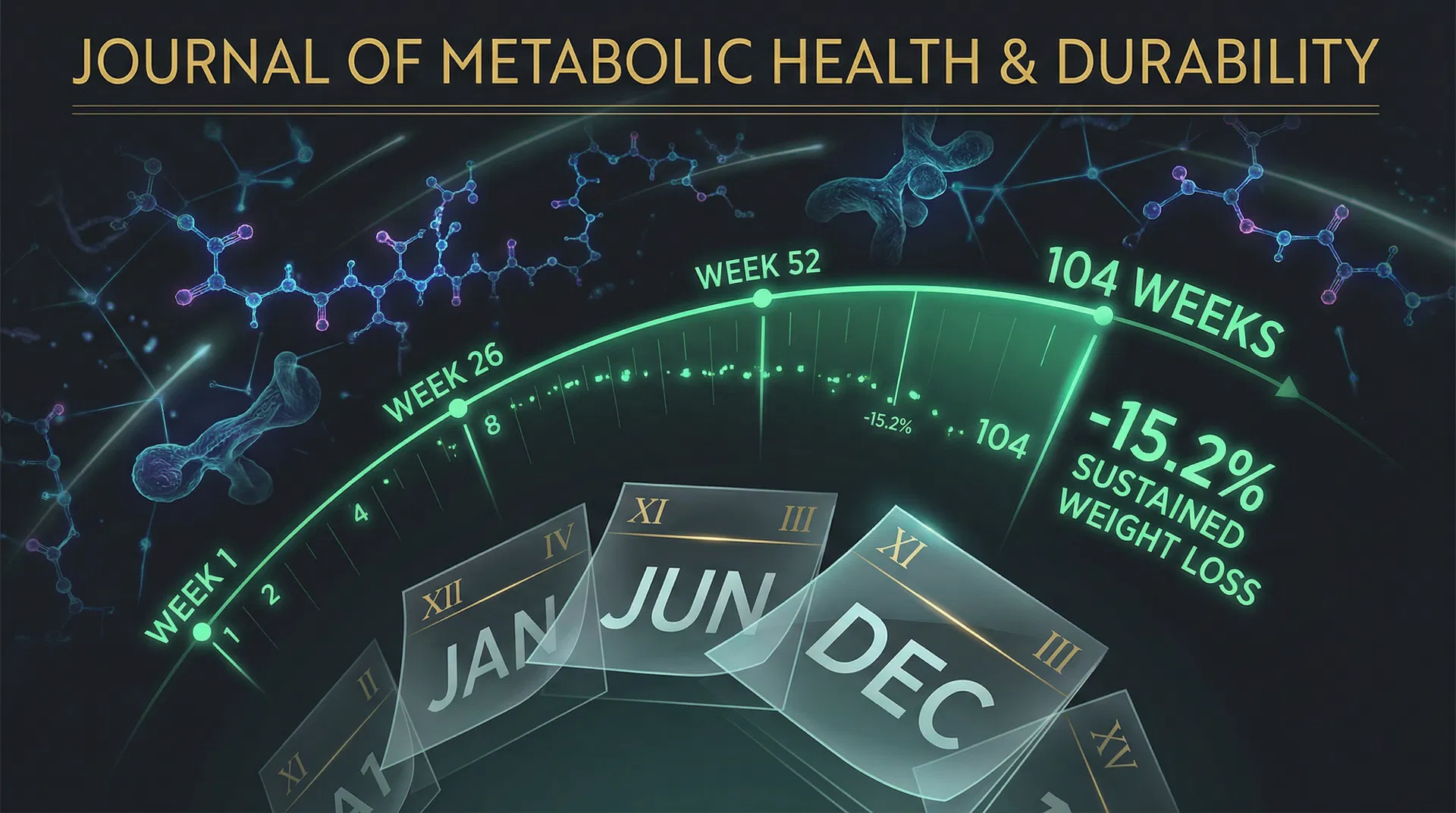
- Weight loss: Mean -9.4% with semaglutide vs. -0.9% with placebo at week 104
- HbA1c: Reduced progression to type 2 diabetes by 73%
A prespecified analysis published in The Lancet in 2025 by Deanfield et al. further demonstrated that the cardiovascular benefits of semaglutide were consistent across baseline adiposity measurements and were not solely explained by weight loss, suggesting direct cardiovascular protective mechanisms [2].
Heart Failure Subanalysis
A prespecified analysis of SELECT examining patients with prevalent heart failure (HF) at baseline found particularly compelling results. Among the 1,685 patients with HF history:
- Semaglutide reduced the composite of cardiovascular death and heart failure events
- Benefits were observed regardless of heart failure subtype (HFpEF or HFrEF)
- These findings opened a new therapeutic avenue for semaglutide in heart failure management [3].
Safety Profile Over 3+ Years
The extended follow-up provided comprehensive safety data:
- Serious adverse events: 33.4% semaglutide vs. 36.4% placebo (lower with semaglutide)
- Gastrointestinal events: More common with semaglutide (nausea 17.1% vs. 7.0%; diarrhea 15.5% vs. 9.2%)
- Discontinuation due to adverse events: 16.6% semaglutide vs. 8.2% placebo
- Gallbladder disorders: 2.8% vs. 2.3%
- Pancreatitis: 0.2% vs. 0.2% (no increased risk)
- Thyroid cancer: No increased risk observed
The overall safety profile confirmed that semaglutide was well-tolerated over extended treatment periods in a high-risk cardiovascular population [4].
Clinical Impact and Regulatory Implications
SELECT had immediate and far-reaching clinical implications:
-
FDA label expansion: In March 2024, the FDA approved Wegovy for reducing the risk of cardiovascular death, heart attack, and stroke in adults with cardiovascular disease and either obesity or overweight — the first anti-obesity medication to receive a cardiovascular indication.
-
Insurance coverage: The cardiovascular indication provided a medical justification for insurance coverage of semaglutide beyond weight management alone.
-
Treatment paradigm shift: SELECT established that treating obesity with semaglutide provides cardiovascular protection independent of diabetes status, fundamentally changing how clinicians approach cardiovascular risk reduction.
-
Comparison to statins: The 20% MACE reduction with semaglutide is comparable to the benefit seen with moderate-intensity statin therapy, positioning semaglutide as a complementary cardiovascular risk reduction strategy [1].
Limitations
Despite its impressive scale, SELECT had limitations. The study population was predominantly male (72.3%) and White (83.7%), with established cardiovascular disease. Whether the cardiovascular benefits extend to primary prevention populations remains unknown. The trial also did not include patients with diabetes, though separate trials (SUSTAIN 6, PIONEER 6) have shown cardiovascular benefits in diabetic populations [1].
References
-
Lincoff AM, Brown-Frandsen K, Colhoun HM, et al. "Semaglutide and Cardiovascular Outcomes in Obesity without Diabetes." New England Journal of Medicine. 2023;389(24):2221-2232. PubMed: 37952131
-
Deanfield J, et al. "Semaglutide and cardiovascular outcomes by baseline and changes in adiposity measurements: a prespecified analysis of the SELECT trial." The Lancet. 2025. DOI: 10.1016/S0140-6736(25)01375-3
-
Kosiborod MN, et al. "Semaglutide and cardiovascular outcomes in patients with obesity and prevalent heart failure: a prespecified analysis of the SELECT trial." The Lancet. 2024. DOI: 10.1016/S0140-6736(24)01498-3
-
Kushner RF, et al. "Safety profile of semaglutide versus placebo in the SELECT cardiovascular outcomes trial." Nature Medicine. 2025. PMC: 11897845