What It Is
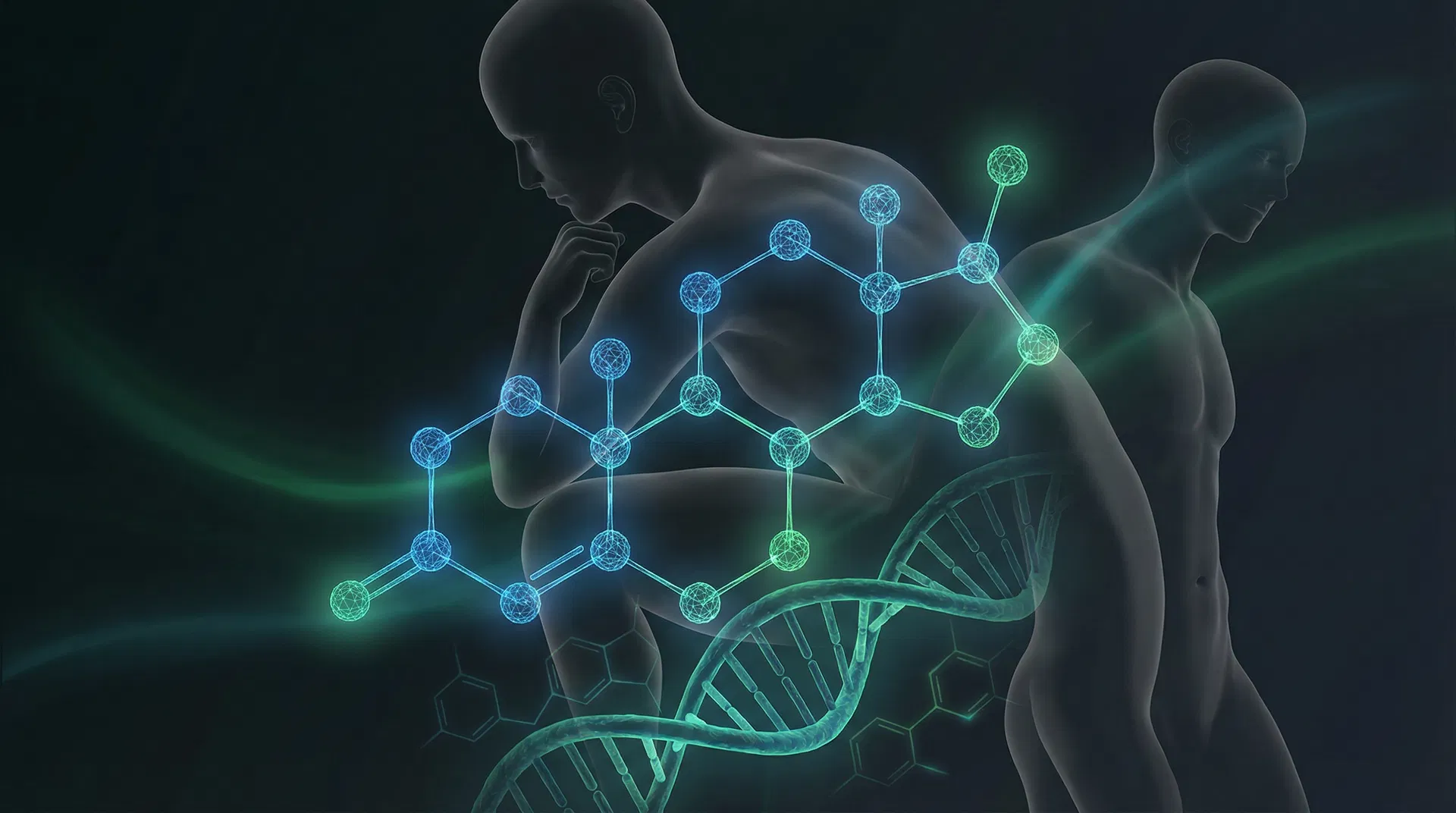
Testosterone Replacement Therapy (TRT) is a medical treatment for men with low testosterone, a condition known as hypogonadism. This therapy aims to restore testosterone levels to a normal range, which can help alleviate the symptoms associated with low testosterone. These symptoms are not just physical; they can also have a significant impact on mental health, affecting mood, cognitive function, and overall quality of life.
How It Works
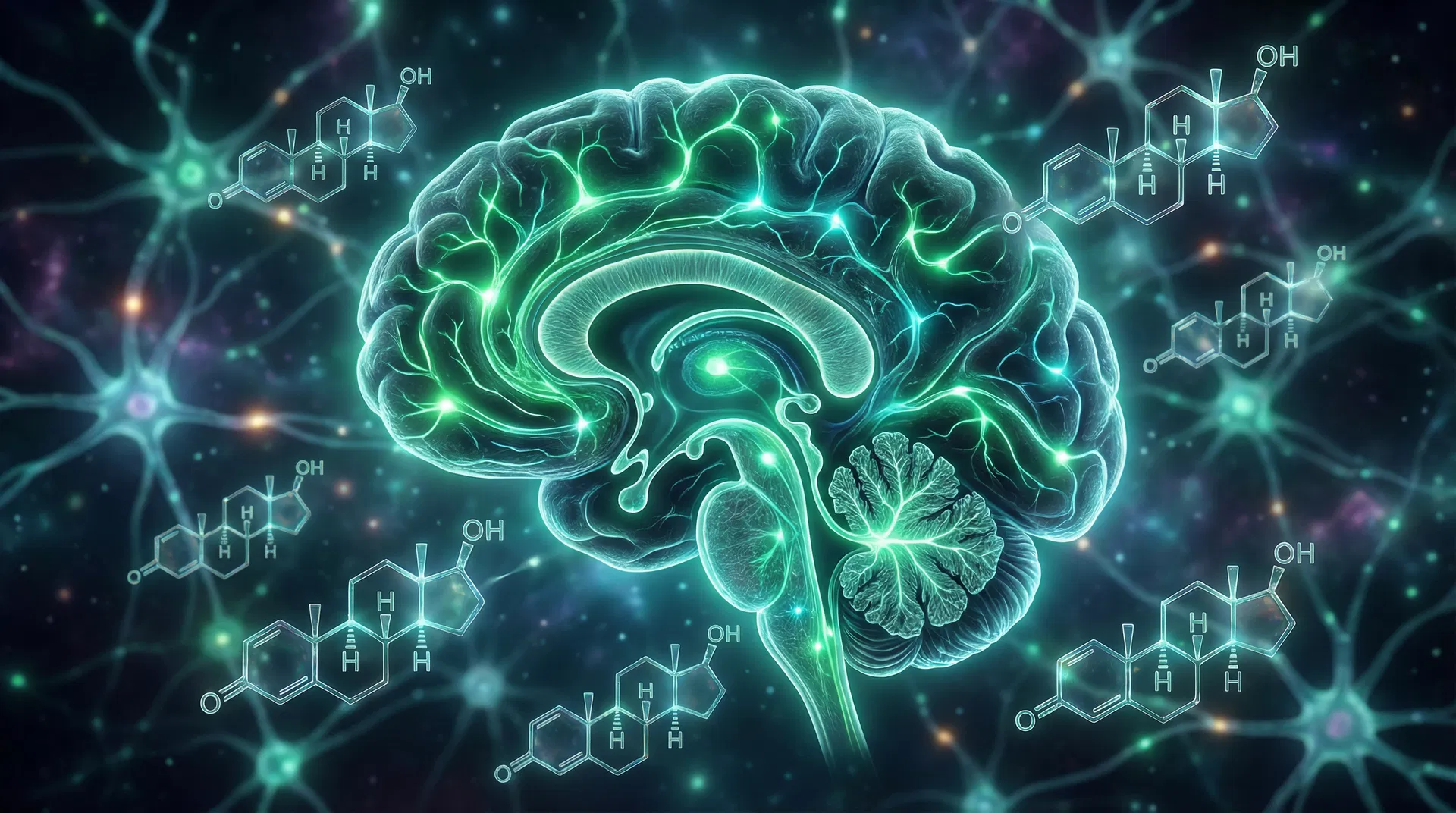
Testosterone is a crucial hormone that plays a vital role in numerous bodily functions, including brain function. It influences the production of neurotransmitters like serotonin and dopamine, which are essential for mood regulation. When testosterone levels are low, the balance of these neurotransmitters can be disrupted, leading to symptoms of depression, anxiety, and irritability. TRT works by replenishing the body's testosterone levels, which can help restore the normal functioning of these neurotransmitter systems and improve mental well-being.
Key Research
Numerous studies have investigated the link between testosterone and mental health. The Testosterone Trials (TTrials), a series of seven trials conducted to assess the efficacy of TRT, provided valuable insights. In the Vitality Trial, testosterone treatment was found to slightly improve mood and depressive symptoms, although it did not significantly increase energy levels Snyder et al., 2018.
A meta-analysis of 27 randomized controlled trials concluded that testosterone treatment is effective in reducing depressive symptoms in men, particularly when higher-dosage regimens were applied Walther et al., 2019. Another study found that TRT may be particularly beneficial for men with testosterone deficiency syndrome who also experience depression or cognitive impairment Jung et al., 2017.
Research has also explored the effects of TRT on cognitive function. One study showed that two years of TRT improved attention, visual scanning abilities, executive function, and psychomotor speed in young and middle-aged hypogonadal men Lašaitė et al., 2017. However, the results are not always consistent. A study on men with erectile dysfunction and low-normal testosterone levels found that testosterone supplementation did not improve mood or well-being Spitzer et al., 2013.
Benefits
For men with diagnosed hypogonadism, TRT can offer a range of mental health benefits:
- Improved Mood: Many men on TRT report a significant improvement in their mood, with reduced feelings of sadness, irritability, and anxiety.
- Reduced Depressive Symptoms: As supported by multiple studies, TRT can be an effective treatment for depressive symptoms in men with low testosterone.
- Enhanced Cognitive Function: TRT may improve various aspects of cognitive function, including memory, concentration, and processing speed.
- Increased Motivation and Energy: By restoring testosterone levels, TRT can help boost motivation, drive, and overall energy levels.
- Better Quality of Life: The combined effects of improved mood, cognitive function, and energy can lead to a significant enhancement in overall quality of life.
Risks & Side Effects
While TRT can be beneficial, it is not without risks and potential side effects. It is crucial to be aware of these before starting treatment:
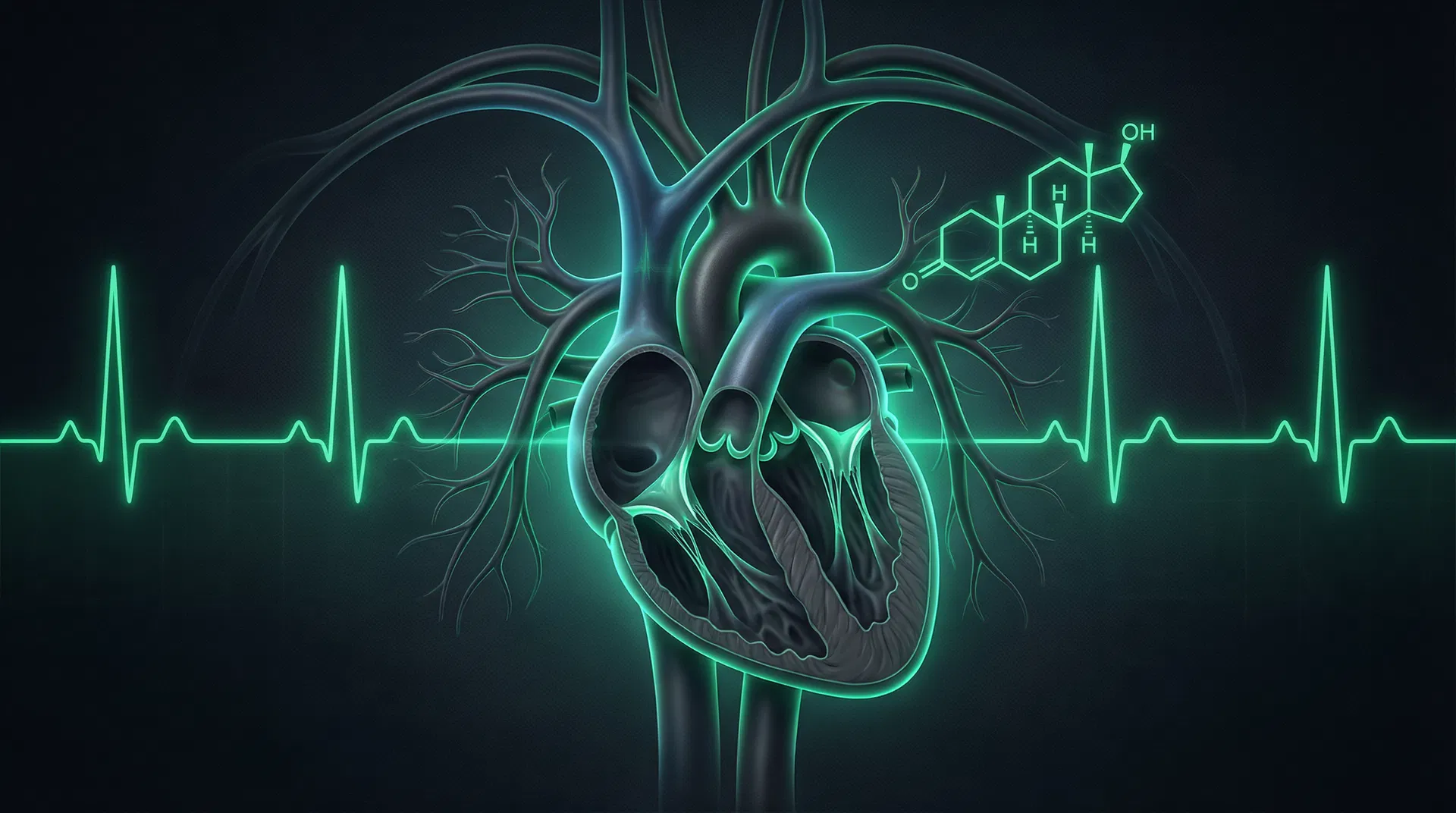
- Cardiovascular Risks: Some studies have suggested a potential link between TRT and an increased risk of cardiovascular events, although the evidence is conflicting.
- Prostate Health: TRT can stimulate the growth of the prostate gland, which could worsen symptoms of benign prostatic hyperplasia (BPH) or potentially accelerate the growth of existing prostate cancer.
- Polycythemia: TRT can increase the production of red blood cells, leading to a condition called polycythemia, which can increase the risk of blood clots.
- Other Side Effects: Other potential side effects include acne, oily skin, and sleep apnea.
Practical Considerations
Before starting TRT, it is essential to have a thorough medical evaluation to confirm a diagnosis of hypogonadism. This should include blood tests to measure testosterone levels and a discussion of your symptoms and medical history with a qualified healthcare provider. Once on TRT, regular monitoring is necessary to ensure that testosterone levels are within the target range and to check for any potential side effects.
The Bottom Line
TRT can be a highly effective treatment for men with low testosterone, offering significant improvements in mental health, including mood, cognitive function, and overall quality of life. However, it is not a one-size-fits-all solution and comes with potential risks and side effects. A comprehensive discussion with a healthcare provider is essential to determine if TRT is the right choice for you.
This information is for educational purposes only. Always consult a licensed healthcare provider before starting any hormone therapy protocol.